

If your teeth keep chipping, the cause may be teeth grinding, acid erosion, large old fillings, or an uneven bite that puts too much pressure on certain teeth. Repairing a chipped tooth can fix the damage, but finding and treating the underlying cause is important to prevent future chips.
Key Takeaways
- A single chip after biting ice is usually an accident. Repeated chips, especially on the same teeth, point to an ongoing cause worth diagnosing.
- The location of a chip can help identify its cause. Chipped front edges often trace back to the bite or grinding, while a broken wall next to a large filling points to a weakened tooth.
- Teeth that look shorter or flatter are wearing from the same forces that cause chips, and the wear speeds up once it reaches the softer layer under the enamel.
- Night guards protect teeth from grinding forces but don’t stop the grinding, so they work best alongside treatment for the bite or other causes.
- If bonding or a crown on the same tooth has broken more than once, ask for a bite evaluation before another repair.
Chipped Tooth Causes Dentists See Most Often
Teeth can chip for several reasons, from grinding and acid erosion to weakened enamel and uneven biting pressure. More than one cause may be involved, which is why finding the source of the damage is important.
1. Teeth Grinding and Clenching
Bruxism is when you grind or clench your teeth, often while sleeping. A 2024 Journal of Clinical Medicine meta-analysis estimated that about 22% of people experience bruxism. Repeated pressure can cause small cracks in your teeth that may eventually turn into chips.
Learn more about treating bruxism and TMJ pain.
2. Acid Erosion
Acid from foods, drinks, and stomach reflux can slowly wear away tooth enamel. Common sources include:
- Soda
- Sports drinks
- citrus fruits
- Wine
As enamel becomes thinner and weaker, your teeth may chip more easily, especially around the edges.
3. Large or Old Fillings
Large fillings can leave less natural tooth structure to support the tooth. Over time, the remaining tooth walls may weaken or crack, especially when you bite into something hard.
4. Hard Foods and Habits
Biting hard objects can put too much pressure on your teeth and cause chips. Common examples include:
- Chewing ice, hard candy, or popcorn kernels
- Biting pens or fingernails
- Using your teeth to open packages
5. An Uneven Bite
If your upper and lower teeth don’t meet evenly, certain teeth may take on too much biting force. Over time, this extra pressure can cause them to crack or chip. Without addressing the bite problem, the same teeth may chip again after repair.
Sudden Chipping: Why a Tooth Breaks for No Obvious Reason
If your tooth chips while eating or chewing something soft, it may have already been weakened over time. Small cracks, decay, or worn enamel can make a tooth break even without an injury.
Common reasons a tooth may suddenly chip include:
- Teeth grinding: Repeated grinding can cause tiny cracks that grow over time until part of the tooth breaks off.
- Tooth decay: Cavities under or around old fillings can weaken the tooth and make it more likely to break.
- Acid erosion: Acid wears down enamel, leaving thin edges that can chip during normal chewing.
- Bite changes: A high crown, missing tooth, or shifting teeth can put extra pressure on certain teeth.
Dry mouth can also increase your risk of tooth damage. Saliva helps protect enamel from acids, so having less saliva can make teeth more likely to develop decay and erosion. Keep in mind that certain medications can cause dry mouth.
If several teeth start chipping without an obvious cause, see your dentist to find out what’s weakening them.
Why Front Teeth Keep Chipping
Front teeth are more likely to chip because their thin edges take pressure when you bite into food. If your front teeth keep chipping, the way your upper and lower teeth meet may be putting too much force on them.
Common bite problems that can cause front teeth to chip include:
- Edge-to-edge bite: Your upper and lower front teeth meet directly at their edges, which can cause them to wear down or chip.
- Deep bite: Your lower front teeth press against the backs of your upper teeth, putting extra pressure on them.
- Teeth grinding: Grinding your teeth from side to side can wear down the edges and cause small chips over time.
- Worn or missing back teeth: Changes in how your back teeth meet can put extra pressure on your front teeth.
Dental bonding can repair a chipped front tooth, but the bonding may chip again if the bite problem is not treated. Your dentist should check how your teeth meet to help prevent future damage.
Worn Down or Flat Teeth: The Slow Version of Chipping
Teeth can slowly wear down from grinding, acid exposure, or brushing too hard. Over time, this wear can weaken your teeth and make them more likely to chip. A 2025 Public Health in Practice meta-analysis of 133 studies found that about 40.8% of people worldwide experience tooth wear.
Tooth wear usually happens because of these 3 factors:
- Attrition: Wear caused by teeth rubbing against each other, often from grinding. It can leave flat and smooth surfaces on your teeth.
- Erosion: Enamel loss caused by acid from food, drinks, or acid reflux. It can cause small dips in back teeth and thin or see-through edges on front teeth.
- Abrasion: Wear caused by brushing too hard or using abrasive products. It often appears as small notches near the gums.
Signs of worn-down teeth include shorter front teeth, flattened canine teeth, increased sensitivity to cold, and a yellowish color as the enamel wears away.
Dental Work That Keeps Breaking
If your bonding, veneers, or crowns keep breaking, excessive biting pressure may be the cause. The same pressure that damaged your natural teeth can also weaken or break dental restorations.
Common signs include:
- Porcelain chipping off a dental crown
- Veneers cracking or breaking around the edges
- Dental bonding breaking shortly after treatment
- Fillings that repeatedly crack or fall out
If your dental work keeps breaking, your dentist should check your bite and look for signs of teeth grinding or clenching. Fixing the underlying problem may help your restorations last longer.
Treatments like porcelain veneers can last for years with proper care and a healthy bite. Learn more about your options for repairing chipped and cracked teeth.
Bite Evaluation: How We Find the Cause
A bite evaluation helps us find out why your teeth keep chipping. We check how your teeth fit together, how your jaw moves, and whether certain teeth take on too much pressure.
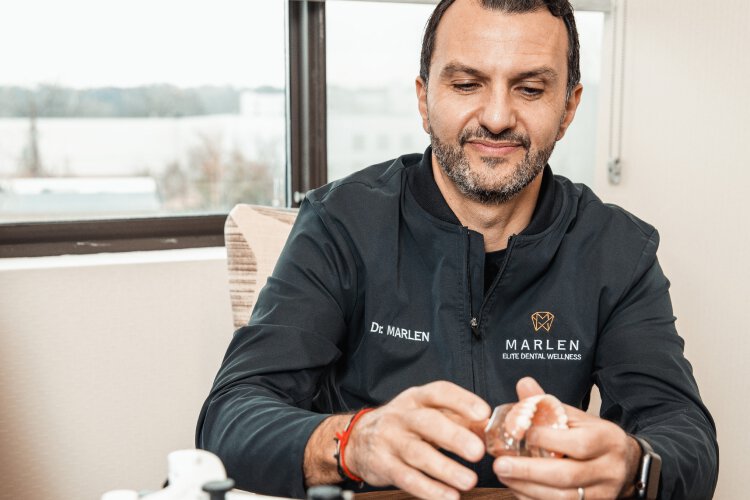
At Marlen Elite Dental Wellness, we use a whole-mouth approach called physiologic dentistry. We look at your teeth, jaw joints, and chewing muscles to find problems that may be causing damage. This approach is also part of our neuromuscular dentistry care for TMJ patients.
We start by reviewing your dental history, including teeth grinding, acid reflux, diet, medications, and previous dental work. Then we examine your teeth for signs of wear and damage.
Clues We Look for in Your Teeth
The location and shape of a chip can help us identify its possible cause.
| What we see | What it may mean |
| Chips along the edges of upper front teeth | Uneven bite or teeth grinding |
| Flat and shiny areas where teeth meet | Grinding or clenching |
| Small dips on back teeth or thin front edges | Acid erosion from food, drinks, or reflux |
| A broken tooth next to a large filling | Weakened tooth structure |
| Crowns or bonding that keep breaking | Too much pressure on certain teeth |
These signs help us narrow down the cause, but a full examination is needed to understand why your teeth are chipping.
Advanced Technology That Helps Us Find the Cause
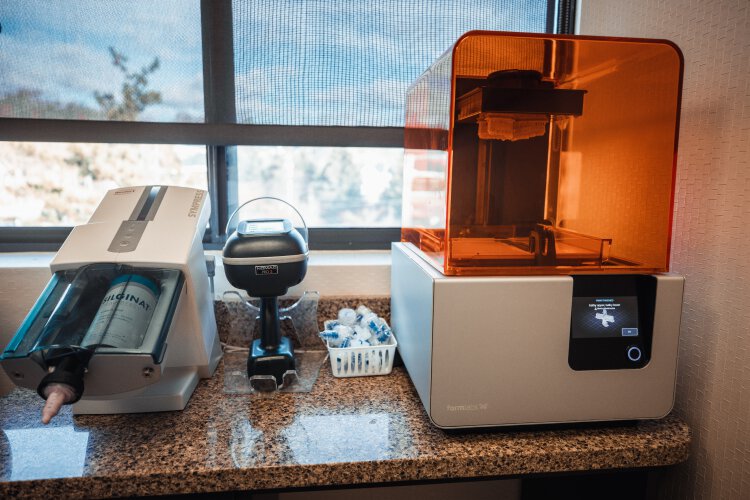
When we need more information, we may use advanced dental technology to check your bite, teeth, and jaw.
- T-Scan digital bite analysis: Measures when your teeth touch and how biting pressure is spread across them.
- Digital intraoral scans: Create 3D images of your teeth to help us check their shape and track wear over time.
- CBCT imaging: Provides detailed 3D images of your teeth, jawbone, and jaw joints when additional imaging is needed.
- Jaw tracking and muscle readings: Help us study jaw movement and muscle activity, especially if you also have jaw pain or tension.
Learn more about our advanced dental technology here.
As Dr. Marlen Martirossian explains:
“We don’t treat teeth in isolation. We look at the person as a whole: how the teeth come together, how the jaw moves, how the muscles function, and how all of those elements work together. Our goal is to create dentistry that is not only beautiful, but also comfortable, functional, and designed with long-term health in mind.”
These tools help us gather more information, but the diagnosis depends on your symptoms, dental history, and examination.
Learn more about Dr. Marlen Martirossian and her approach to dental care.
How to Stop Your Teeth From Chipping
To stop your teeth from chipping, you need to find and treat the underlying cause. Your dentist can recommend ways to protect your teeth based on what’s causing the damage.
Here are some ways to prevent further chipping:
- Wear a custom night guard: If you grind your teeth while sleeping, a custom night guard can help protect them from damage. However, a 2021 Journal of Dentistry review found limited evidence that night guards reduce grinding itself. Learn more about splint therapy.
- Correct bite problems: Your dentist may adjust uneven tooth contacts, recommend clear aligners, or replace missing teeth to improve how your bite fits together.
- Limit acidic foods and drinks: Avoid sipping soda or sports drinks throughout the day. Rinse with water after acidic drinks, and talk to your doctor if you have acid reflux.
- Avoid biting hard objects: Stop chewing ice, hard candy, pens, or fingernails. Never use your teeth to open packages.
- Wear a sports mouthguard: Protect your teeth with a mouthguard during contact sports or activities where you could fall or get hit in the mouth.
- Protect weakened teeth: Your dentist may recommend an onlay or crown to strengthen a tooth weakened by a large filling or extensive damage.
Once the cause is addressed, your dentist can recommend the best way to repair chipped teeth. Small chips may only need dental bonding, while larger chips may require veneers or crowns.
If several teeth are damaged or badly worn, treatment may involve a smile makeover or full mouth reconstruction.
FAQ
Does Enamel Grow Back?
No, tooth enamel cannot grow back once it’s lost. Fluoride can help strengthen weakened enamel, but it cannot replace enamel that has chipped or worn away. Your dentist may recommend bonding, veneers, or crowns to repair the damage.
Will a Small Chipped Tooth Smooth Out?
A small chip won’t heal on its own, but the sharp edge may feel less noticeable over time. Your dentist can smooth a minor chip or repair it with dental bonding. Even if the chip doesn’t hurt, have it checked to make sure there isn’t a deeper crack.
Is a Chipped Tooth an Emergency?
A small chip without pain usually isn’t a dental emergency. However, severe pain, heavy bleeding, a large break, or exposed pink or red tissue inside the tooth requires urgent dental care. The American Dental Association recommends contacting your dentist as soon as possible. If you have severe bleeding or a serious facial injury, seek emergency medical care. Learn what to do if you experience a dental emergency after hours.
Final Thoughts: Why Are My Teeth Chipping?
If your teeth keep chipping, teeth grinding, an uneven bite, or weakened enamel may be the cause. Finding and treating the problem can help prevent further damage and make dental repairs last longer.
At Marlen Elite Dental Wellness, we use bite evaluations and advanced technology, including T-Scan, to identify what’s causing your teeth to chip and recommend the right treatment.
To schedule a consultation at our River Edge office, call (551) 373-4041 or book an appointment online.