
Knowing when a dental issue needs immediate attention can make the difference between saving a tooth and losing it. While some dental problems can wait until regular office hours, others require urgent care to prevent lasting damage, relieve severe pain, or address infections before they spread.
At Marlen Elite Dental Wellness, Dr. Marlen Martirossian and our team understand emergencies don’t follow a schedule. Our elite, one-on-one approach extends to urgent situations, where we provide the personalized attention you need when it matters most. Preventive dentistry helps you avoid many emergencies, but understanding which situations need immediate attention protects your long-term oral health.
What Qualifies as a Dental Emergency?
A dental emergency is any situation requiring immediate treatment to stop bleeding, save a tooth, alleviate severe pain, or prevent infection from spreading. These situations often happen outside regular office hours, which is why knowing when to seek help is vital.
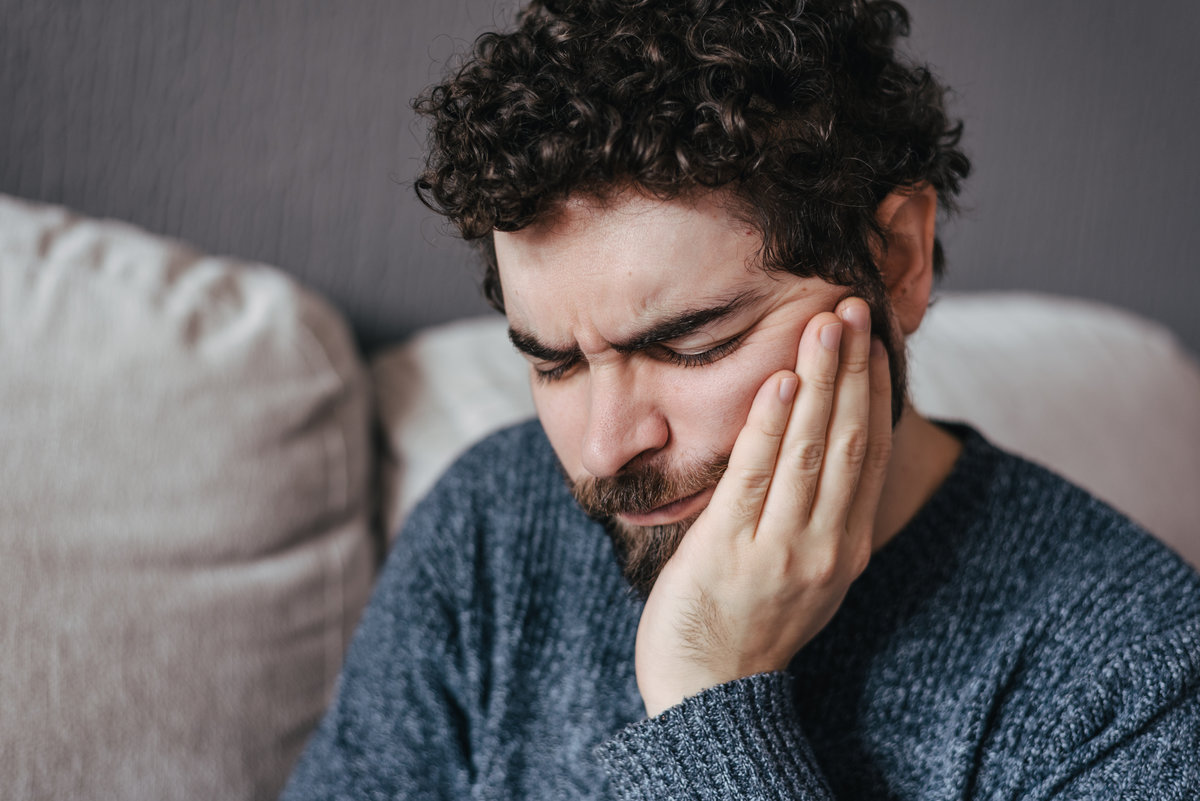
Severe, persistent tooth pain not responding to over-the-counter medication signals a serious problem. The pain might stem from deep decay, an infection, or an abscess needing professional treatment. A knocked-out tooth represents one of the most time-sensitive emergencies. If you can get to a dentist within an hour, there’s a good chance the tooth can be saved. Handle the tooth by the crown, rinse it gently without scrubbing, and try to place it back in the socket or keep it moist in milk until you reach the dentist.
Uncontrolled bleeding from the mouth after an injury or tooth extraction requires immediate attention. Apply gentle pressure with clean gauze, but if bleeding continues after 15 minutes, contact your dentist right away. Swelling in the jaw, face, or gums can indicate an infection needing urgent treatment. According to the American Dental Association, an abscessed tooth develops when bacteria enters the tooth’s pulp through decay, periodontal disease, or a crack, causing infection and pus buildup. Left untreated, the infection can spread to other areas of the body.
Situations to Monitor but May Not Require After-Hours Care
Not every dental problem requires after-hours attention. A small chip in a tooth without pain can wait for a regular appointment, though you should still call to schedule one soon. Mild sensitivity to hot or cold foods typically doesn’t constitute an emergency unless it becomes severe or persistent. A lost filling or crown causes discomfort but usually doesn’t require immediate care if there’s no significant pain. You can use temporary dental cement from a pharmacy to protect the tooth until your appointment.
Food stuck between teeth, while annoying, can usually be addressed at home with gentle flossing. If you can’t remove it but aren’t experiencing severe pain, schedule an appointment during regular hours rather than seeking emergency care. Minor toothaches responding well to pain medication and not worsening over a few hours can typically wait, though you should monitor them closely.
How to Handle Common Dental Emergencies
When a dental emergency occurs, taking the right immediate steps can improve outcomes significantly. For a knocked-out permanent tooth, time matters most. Retrieve the tooth, rinse it gently without touching the root, and attempt to reinsert it into the socket. If not possible, place it in a container of milk or your saliva. Get to a dentist within 30 to 60 minutes for the best chance of saving the tooth.
If you crack or break a tooth, rinse your mouth with warm water and apply a cold compress to reduce swelling. Save any pieces you can find and bring them to your appointment. For severe pain or bleeding, seek immediate care. When dealing with soft tissue injuries like cuts to the lips, cheeks, or tongue, rinse your mouth with mild salt water and apply pressure with clean gauze. If bleeding doesn’t stop within 15 minutes or the injury is severe, visit an emergency room or contact your dentist immediately.
Objects lodged between teeth should be removed gently with dental floss. Never use sharp objects damaging your gums or teeth. If you can’t dislodge the item with floss, contact your dentist for help. For toothaches, rinse your mouth with warm water and use dental floss to remove any trapped food. Apply a cold compress to the outside of your cheek if there’s swelling, but never place aspirin directly on the gums, as it can burn the tissue.
What to Expect When You Call After Hours
Many dental practices provide emergency contact information for situations occurring outside regular business hours. When you call with an urgent situation, be prepared to describe your symptoms in detail, including the severity and duration of pain, any visible damage, swelling, or bleeding.
The dentist will assess whether your situation requires immediate attention or can wait until the next business day with at-home care instructions. For true emergencies, arrangements will be made to see you as soon as possible. Having your dental history available helps the dentist make informed decisions about your care. If you’re a new patient experiencing an emergency, provide as much information as possible about your medical history and current medications.
Prevention: Your Best Defense
While emergencies happen, many can be prevented with proper care and precautions. Regular dental checkups and cleanings help identify problems before they become emergencies. Wearing a mouthguard during sports protects your teeth from trauma. Avoid chewing on hard objects like ice, popcorn kernels, or hard candy cracking teeth.
If you experience TMJ issues or grind your teeth at night, addressing these problems with your dentist can prevent future emergencies. Maintaining good oral hygiene through brushing twice daily and flossing once daily reduces your risk of infections and decay leading to urgent situations. Being mindful of what you eat and how you use your teeth prevents many common dental injuries.
Experience Elite Dental Care at Marlen Elite Dental Wellness
When in doubt about whether a situation requires immediate care, it’s better to call and ask rather than wait and risk complications. Our physiological approach considers your overall wellness, not just your immediate symptoms, ensuring treatments harmonizing with your body’s natural balance. We provide care blending world-class science and technology with traditional dental methods, delivering lasting results tailored to your unique needs.
If you’re experiencing a dental emergency or have concerns about your oral health, don’t hesitate to reach out. We’re here to help you maintain optimal dental wellness and handle any urgent situations with precision and care.