
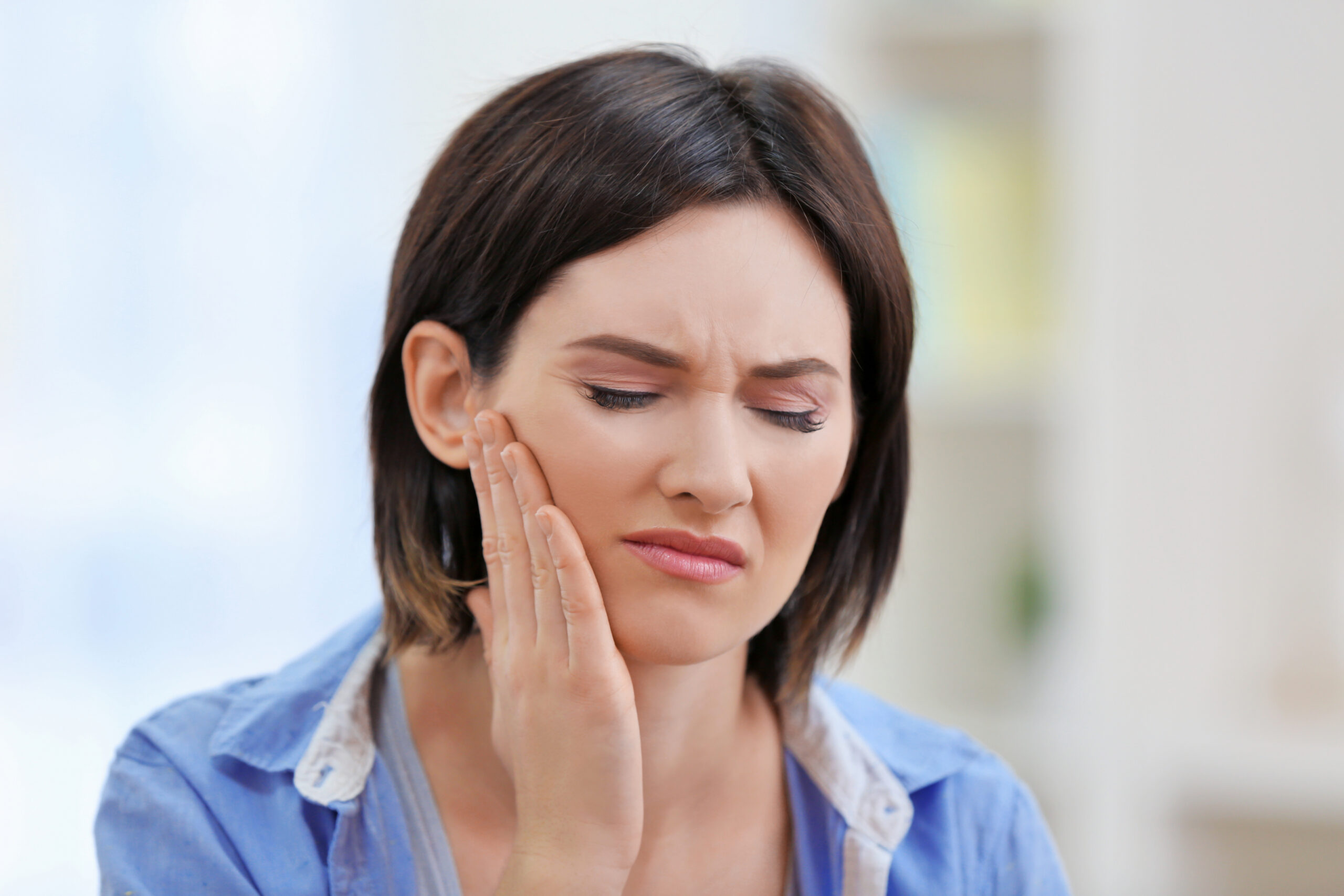
If someone has been dealing with jaw pain, clicking, or tension headaches, they have likely been handed a mouthguard and told to wear it at night. While oral appliances can offer some relief, they are rarely the full picture. For many people living with temporomandibular joint disorder (TMD), the root of the problem runs deeper, and the solution requires a more thorough approach.
At Marlen Elite Dental Wellness, a physiological approach to TMJ care means looking beyond symptom management. The practice evaluates the entire relationship between the teeth, jaw, head, neck, and airway to identify what is truly driving discomfort. That level of insight opens the door to a broader, more effective range of treatment options.
Why a Mouthguard Is Only a Starting Point
A mouthguard, also called an occlusal splint, can help reduce muscle activity and protect teeth from grinding. It is a valuable tool, but it is designed to manage symptoms rather than correct the underlying cause. For patients whose TMD stems from a misaligned bite, muscle dysfunction, or joint inflammation, wearing an appliance alone rarely produces lasting results.
Research published in Medicina via PubMed Central found that conservative treatments, including splints, medication, and physical therapy, played meaningful roles in improving mouth opening and reducing pain in patients with TMD. The findings underscore what physiological dentists have long understood, in that effective TMD care typically requires more than one modality working together.
Bite Correction and Physiological Alignment
An uneven bite can be a major cause of TMD symptoms. When the upper and lower teeth do not fit together comfortably, the jaw muscles have to work harder to chew, swallow, or clench. Over time, that extra strain can lead to jaw pain, muscle tension, headaches, and joint stress.
Physiological dentistry looks at how the jaw rests and moves naturally, then uses that information to guide treatment. Depending on the patient, this may include a custom orthotic, bite adjustments, restorative dental work, or a mix of different treatments. The goal is to reduce strain on the jaw and help it function in a healthier, more comfortable way.
Neuromuscular Therapy and Muscle Relaxation
Tight, overworked muscles are among the most common drivers of TMD symptoms. Neuromuscular therapy focuses on releasing this tension and retraining the jaw to function without strain. Techniques such as transcutaneous electrical nerve stimulation (TENS) can relax the jaw muscles and help identify the most comfortable, natural jaw position before treatment begins.
This diagnostic step is critical in a physiological approach. Rather than guessing at the correct bite position, TENS allows the muscles to decompress and self-locate, producing a clearer picture of where the jaw wants to be. The jaw, airway, and surrounding structures are deeply interconnected, which is why the practice also assesses whether sleep apnea or airway dysfunction may be compounding TMD symptoms.
TMJ Treatment in Bergen County
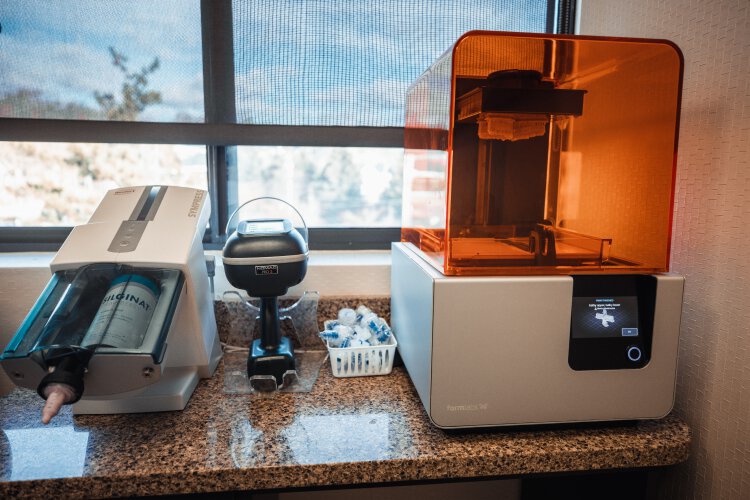
For patients in the River Edge area, TMJ treatment at Marlen Elite Dental Wellness combines advanced diagnostic technology with physiological principles. The practice uses tools such as digital bite analysis and jaw tracking to evaluate TMJ function with a level of detail that goes well beyond what a standard dental exam provides.
This technology-forward approach allows the team to map how the jaw moves, where strain is concentrated, and how different treatment strategies may affect the joint and surrounding muscles. Patients receive a comprehensive assessment before any treatment plan is recommended, ensuring that care addresses the actual source of the problem.
When Additional Options Come Into Play
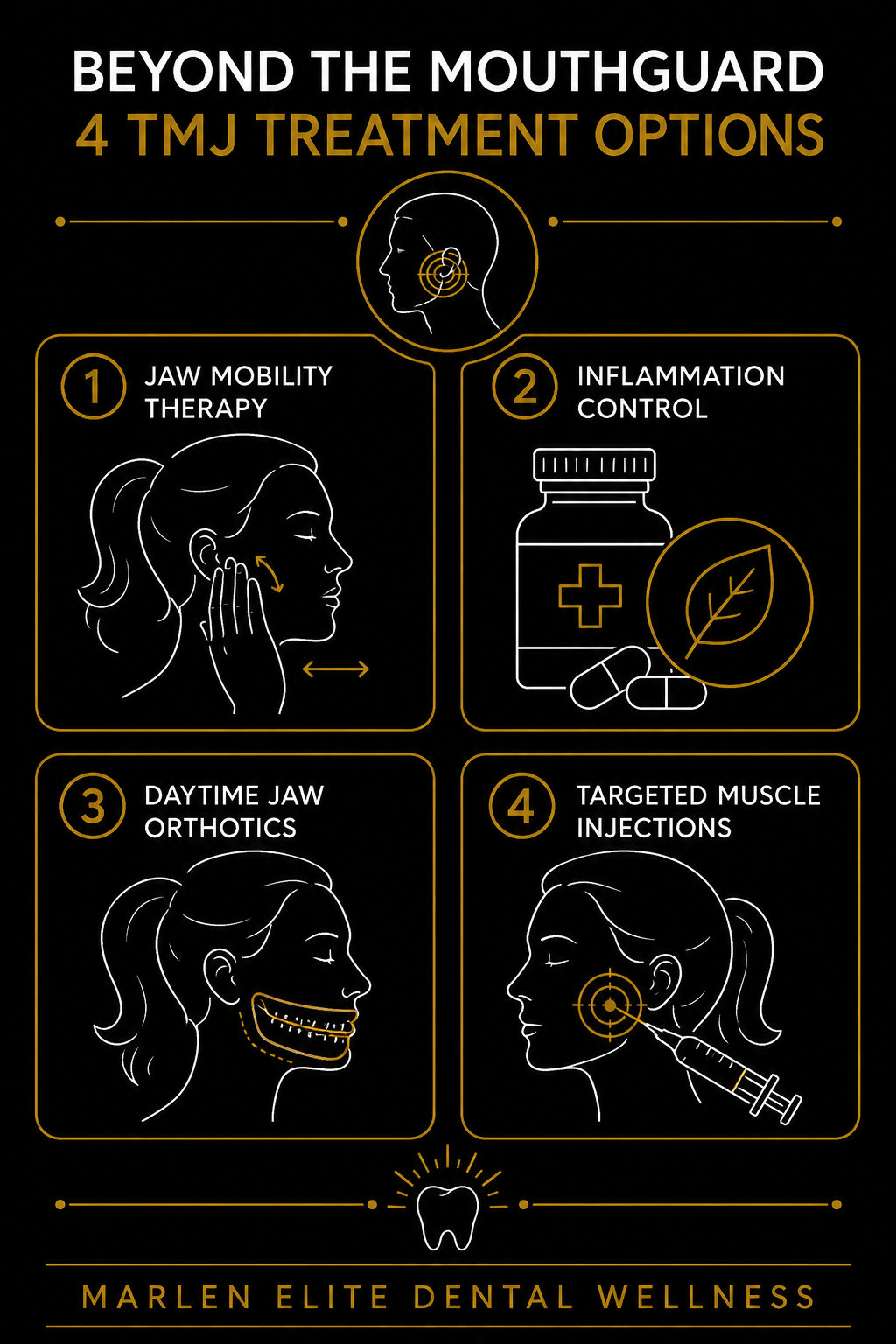
Some cases of TMD benefit from treatments that work alongside bite correction and neuromuscular therapy. These options may include the following:
- Physical therapy exercises are designed to improve jaw mobility and reduce muscle tension.
- Anti-inflammatory protocols to calm joint irritation during flare-ups.
- Oral orthotics are worn during the day to maintain proper jaw positioning.
- Targeted injections to relieve muscle hyperactivity in cases where the muscles do not respond to other methods.
Each of these is considered based on the patient’s specific diagnosis and history. The goal is always to start with the least invasive approach and build a plan that produces effective, long-term results.
Discover Comprehensive TMJ Care at Marlen Elite Dental Wellness
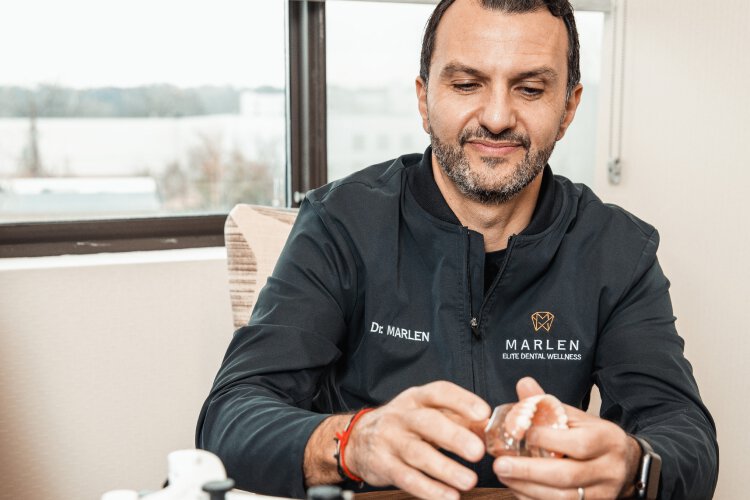
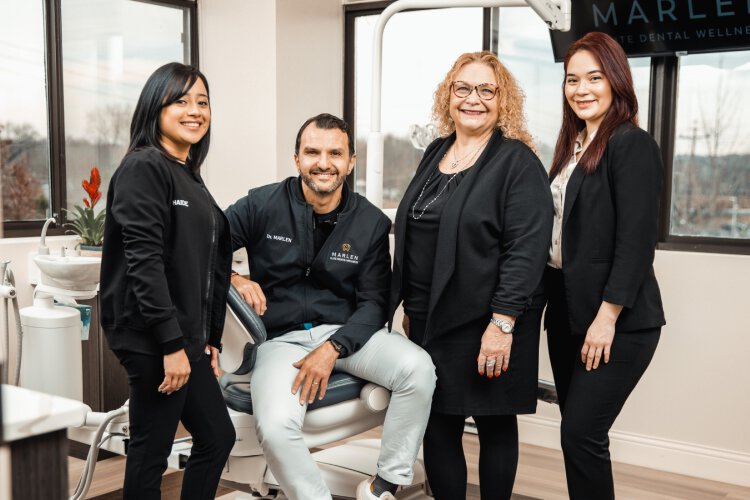
Dr. Marlen Martirossian trained at the Las Vegas Institute for Advanced Dental Studies, where physiological dentistry is the foundation of education. That training, combined with credentials from New York University and membership in the American Academy of Craniofacial Pain, positions the practice to handle complex TMD cases with a depth of understanding that general dentists rarely bring to this condition.
If jaw pain, headaches, or bite problems have been affecting a patient’s quality of life, a more complete answer may be within reach. Contact Marlen Elite Dental Wellness to schedule a consultation and learn about the benefits of a physiological approach to TMJ care.