
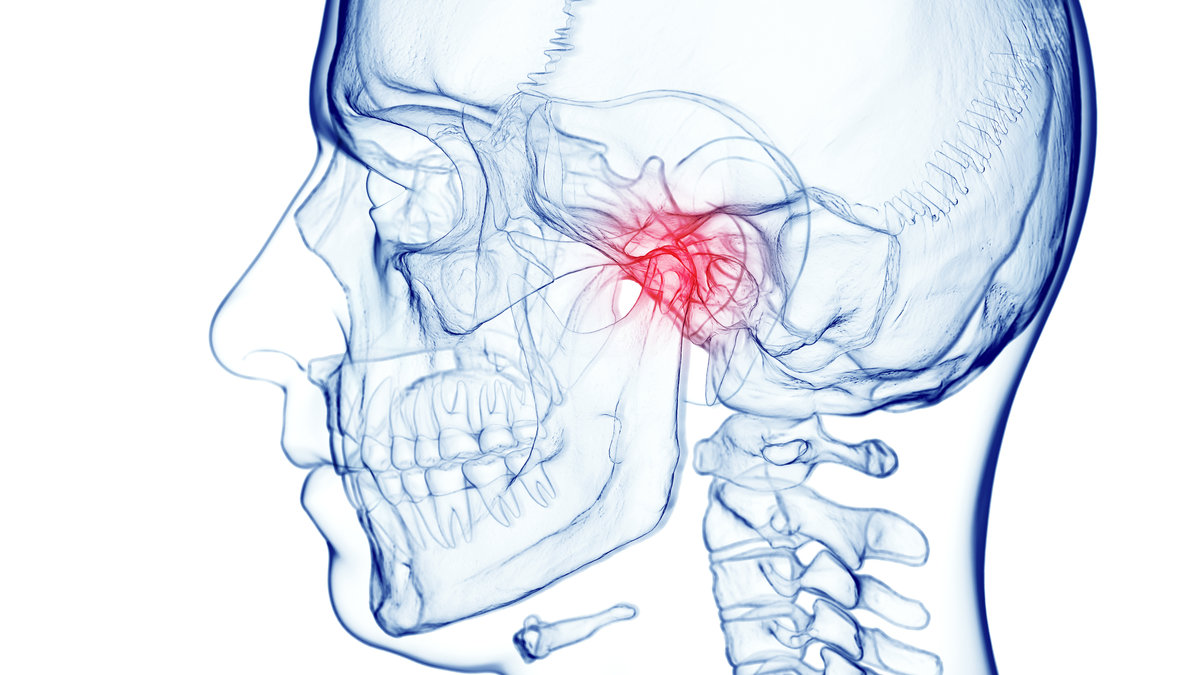
Cold weather can intensify jaw pain for people living with temporomandibular joint disorder, and New Jersey winters present unique challenges for TMJ sufferers. When temperatures drop, muscles naturally tense up as your body works to stay warm, and this tension extends to the jaw muscles and joints. The result is increased stiffness, pain, and discomfort in the temporomandibular joint.
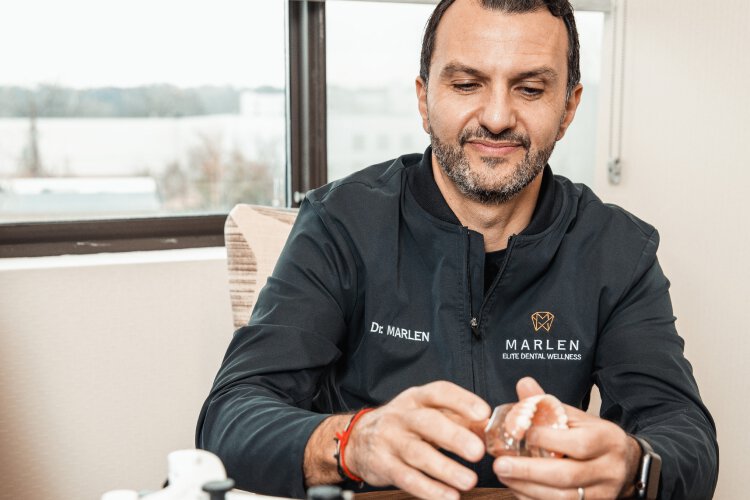
At Marlen Elite Dental Wellness, the team understands how seasonal changes affect TMJ symptoms and overall wellness. Through a physiological approach combining advanced technology with traditional dental methods, patients receive customized treatment addressing the root causes of jaw pain. TMJ treatment focuses on creating lasting solutions rather than temporary relief, helping you maintain comfort throughout every season.
How Cold Weather Affects TMJ Symptoms
Temperature changes influence the temporomandibular joint in several ways. Cold air causes muscles to contract and tighten, leading to increased tension in the jaw area. This muscle tension can trigger or worsen existing TMJ pain, making simple activities like eating or speaking more difficult.
Barometric pressure changes accompanying winter weather systems can also affect joint inflammation. When pressure drops before a storm, tissues around the TMJ may expand slightly, putting additional stress on the joint. Many patients report their symptoms intensify when winter storms approach. The combination of cold temperatures and pressure changes creates a perfect storm for TMJ discomfort.
Winter weather also encourages behaviors worsening TMJ symptoms. Clenching your jaw against the cold, hunching your shoulders to stay warm, and increased stress during the holiday season all contribute to jaw tension. According to the American Dental Association, a 2021 survey showed more than 70% of dentists noticed signs of teeth grinding and clenching in their patients, an increase of nearly 10% over the previous year.
Recognizing Winter-Related TMJ Symptoms
TMJ symptoms can manifest differently during colder months. Jaw stiffness often feels more pronounced in the morning or after spending time outdoors. You might notice clicking or popping sounds when opening your mouth becoming more frequent or louder. Some people experience increased headaches concentrated around the temples or behind the eyes.
Facial pain may intensify with cold air exposure, particularly on one side of the face. Difficulty chewing or a feeling of your bite being misaligned can worsen when temperatures drop. Ear pain or pressure without an actual ear infection is another common complaint among TMJ sufferers during the winter months.
Protecting Your Jaw During New Jersey Winters
Taking proactive steps during cold weather helps minimize TMJ flare-ups. Keeping your jaw warm with a scarf covering your lower face when outdoors reduces muscle tension. Applying warm compresses to the jaw area for 10 to 15 minutes several times daily can ease stiffness and improve blood flow to the joint.
Being mindful of jaw clenching is essential, especially when stressed or cold. Make a conscious effort to keep your teeth slightly apart and your jaw relaxed. Gentle jaw exercises and stretches can maintain mobility and reduce tension. Moving your jaw slowly from side to side or opening and closing your mouth within a comfortable range helps keep the joint flexible.
Managing stress through relaxation techniques like deep breathing or meditation prevents tension from building in your jaw muscles. Sleep apnea treatment may also play a role in TMJ management, as airway issues can contribute to jaw tension and grinding during sleep.
When to Seek Professional TMJ Treatment
While home care strategies help manage symptoms, persistent or worsening jaw pain requires professional evaluation. If your TMJ symptoms interfere with daily activities like eating, speaking, or sleeping, it’s time to consult with a dental professional. Difficulty opening your mouth fully or experiencing jaw locking indicates you need specialized care.
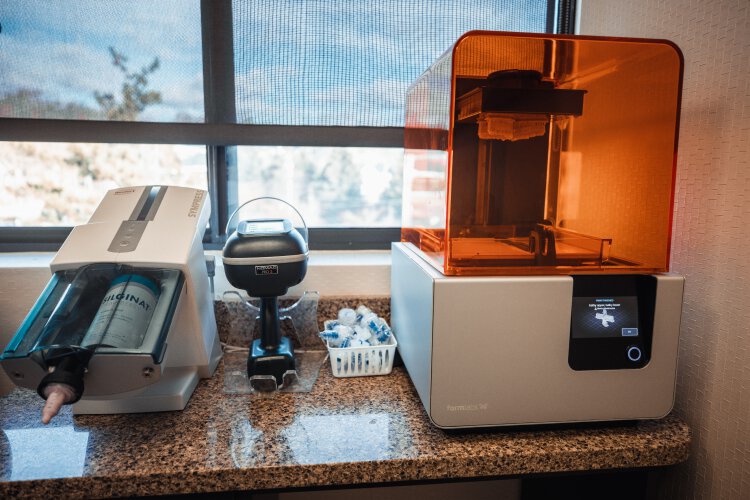
Professional TMJ treatment offers solutions home remedies can’t provide. Custom oral appliances can reposition the jaw to reduce stress on the joint. Advanced diagnostic technology identifies the specific factors contributing to your TMJ disorder, allowing for targeted treatment. Some patients benefit from physiological dentistry approaches addressing not just the jaw joint but also how it functions within their overall body mechanics.
The Connection Between TMJ and Overall Wellness
TMJ disorders don’t exist in isolation. The temporomandibular joint connects to multiple systems in your body, and problems with the joint can affect your overall health. Chronic jaw pain can lead to poor sleep quality, affecting your immune system and making you more susceptible to winter illnesses. TMJ issues can cause poor posture as you unconsciously adjust your head and neck position to minimize discomfort.
The relationship between TMJ and preventive dentistry is significant. Regular dental checkups help identify early signs of jaw problems before they become severe. Addressing bite alignment issues, treating bruxism, and managing oral health comprehensively all contribute to better TMJ function.
Experience Comprehensive TMJ Care at Marlen Elite Dental Wellness
Understanding the seasonal patterns of your TMJ symptoms helps you and your dental team develop effective management strategies. Winter in New Jersey doesn’t have to mean months of jaw pain and discomfort. With proper care, professional treatment, and lifestyle adjustments, you can maintain comfort regardless of the weather.
The practice offers a physiological approach to TMJ treatment, considering your overall wellness, not just your jaw joint. This comprehensive method blends world-class science and technology with traditional dental techniques, delivering lasting results that harmonize with your body’s natural balance. If you’re experiencing increased jaw pain this winter or want to prevent seasonal TMJ flare-ups, reach out to discover how personalized care can help you achieve optimal dental wellness year-round.