
When a tooth is lost, the effects go far beyond appearance. The jawbone beneath the missing tooth begins to deteriorate almost immediately, a process called bone resorption. Without a tooth root to stimulate the bone, the body gradually reabsorbs that tissue, leading to structural changes in the jaw, shifting of surrounding teeth, and a sunken facial appearance over time. Understanding how dental implants address this process at the biological level helps patients make more informed decisions about long-term oral health.
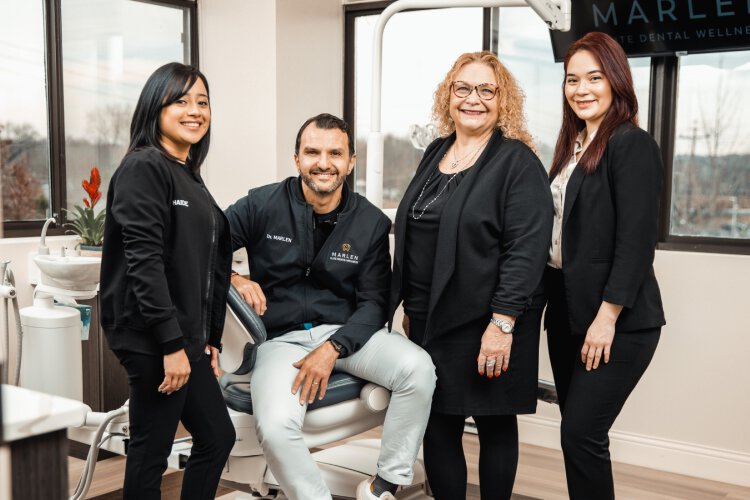
At Marlen Elite Dental Wellness in River Edge, New Jersey, dental implants are part of a comprehensive, physiological approach to care. Rather than treating tooth loss as an isolated issue, the practice considers how every treatment decision affects the body’s overall balance and long-term function. For patients concerned about jawbone deterioration, implants offer a clinically supported path to preserving both structure and health.
Why Jawbone Loss Happens After Tooth Loss
The jawbone requires consistent stimulation to maintain its density. Under natural conditions, the roots of your teeth transfer the forces generated by chewing directly into the bone, triggering a continuous cycle of bone cell activity that keeps tissue healthy and dense. When a tooth is removed and not replaced, that stimulation disappears.
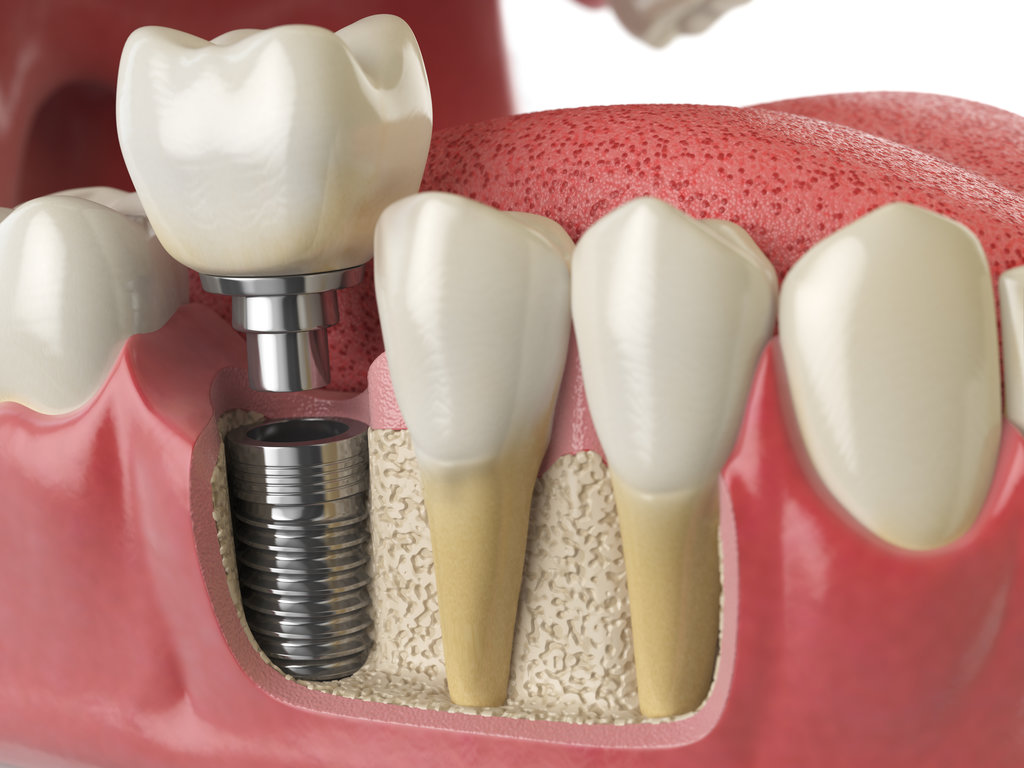
Research published in Biomedical Research International highlights that osseointegration, the process by which an implant fuses with the surrounding bone, is the defining factor in long-term implant success. This fusion replicates the mechanical role a natural tooth root plays, restoring the stimulation the bone needs to remain healthy. Without it, the resorption process continues unimpeded.
How Implants Stimulate Bone Preservation
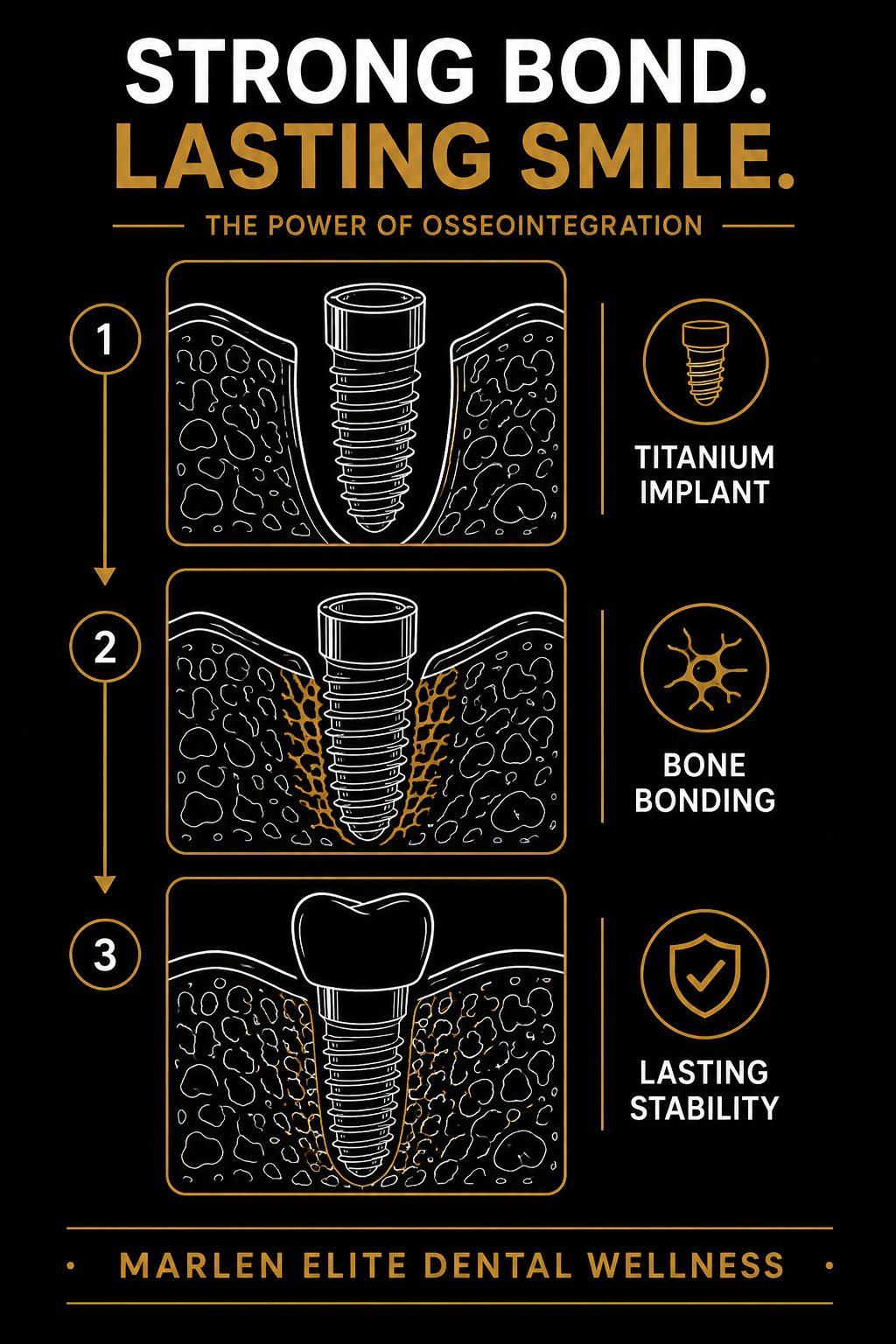
Dental implants are typically made from titanium, a biocompatible material that the body accepts and bonds with over time. Once placed in the jaw, the implant surface integrates with living bone tissue through a healing process that can take several months. During this period, the bone grows around and into the implant, creating a stable, lasting connection.
This connection does more than anchor a crown or prosthetic tooth. It restores the transfer of occlusal forces, meaning the pressure generated when you bite and chew is once again transmitted into the jawbone. That stimulation signals the body to maintain bone density in that area rather than reabsorb it. Patients who choose implants early after tooth loss tend to preserve more bone volume over time compared to those who rely on removable alternatives that sit on top of the gum tissue.
Implants Versus Other Tooth Replacement Options
Traditional dentures and bridges address the visible gap left by a missing tooth but do not replicate the function of a tooth root. A bridge anchors to neighboring teeth without engaging the underlying bone. Dentures rest on the gum surface and can actually accelerate bone loss in some cases due to the pressure and friction they create against the ridge.
Restorative dentistry at Marlen Elite Dental Wellness accounts for this distinction. The goal is not simply to restore the appearance of a complete smile but to support the underlying structures that hold everything together. For patients missing multiple teeth or facing significant bone loss, options like All-on-4 and full mouth reconstruction may address both functional and structural needs simultaneously.
The Long-Term Picture
The longer a tooth is missing, the more bone volume may be lost in that area. In some cases, significant resorption may require bone grafting before an implant can be placed. Acting sooner rather than later preserves more natural bone and may simplify the overall treatment process.
The benefits of implants extend over decades when properly maintained. Unlike other restorative options that may need replacement or adjustment over time, a well-integrated implant can remain functional for many years. The bone it preserves contributes to facial structure, bite alignment, and the health of surrounding teeth. For patients focused on long-term outcomes, this makes implants one of the most consequential decisions in restorative care.
Take the Next Step at Marlen Elite Dental Wellness Today
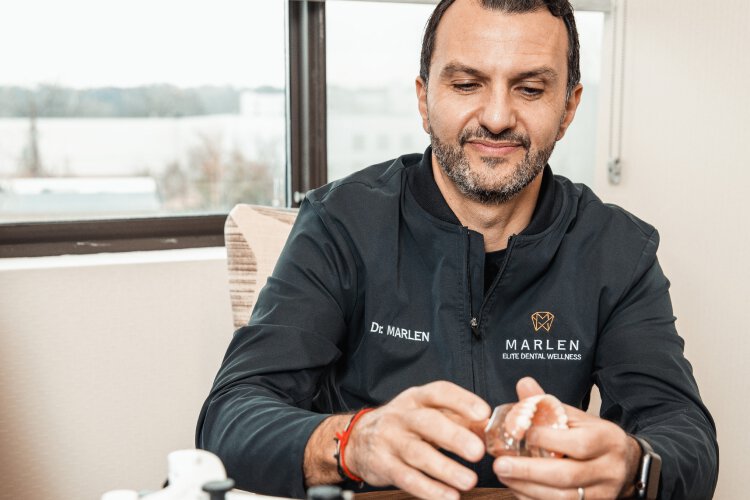
Dr. Marlen Martirossian brings advanced training from the Las Vegas Institute for Advanced Dental Studies, where he studied physiological dentistry, alongside his Doctor of Dental Science from New York University. The practice is built around treatments that consider the full picture of a patient’s oral and overall health, not just the immediate problem. Marlen Elite Dental Wellness has been recognized by the Consumers’ Research Council of America year after year for the team’s knowledge and commitment to patient outcomes.
If you are dealing with tooth loss or are concerned about jawbone health, the team at Marlen Elite Dental Wellness is ready to help you understand your options and build a plan that supports lasting results. Schedule a consultation to take the first step.