
When a tooth is lost, the effects go far beyond the gap in your smile. The jawbone beneath the missing tooth no longer receives the stimulation it needs to maintain its density, and the process of bone resorption begins almost immediately. Over time, this can cause the jaw to shrink, alter the shape of your face, and make future tooth replacement significantly more complicated. Understanding how tooth loss affects your bone is one of the most important steps in deciding how to move forward.
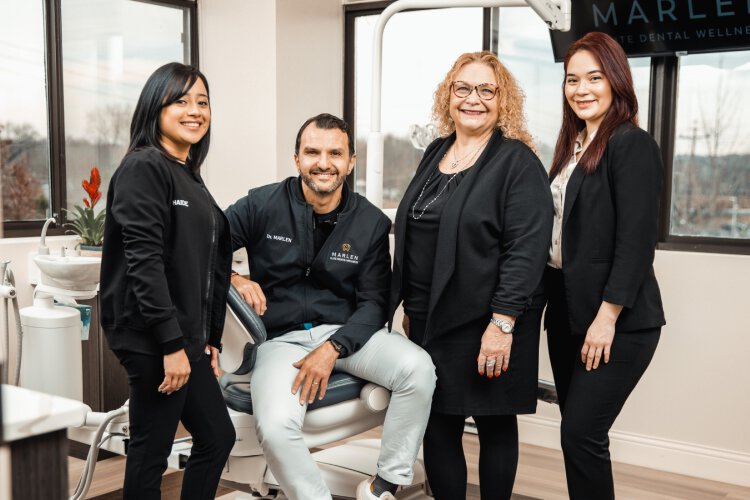
At Marlen Elite Dental Wellness in River Edge, NJ, we take a physiological approach to tooth replacement, meaning we look at the full picture of your oral health and how each treatment decision affects your overall well-being. Dental implants are central to this conversation because they are the only tooth replacement option that actively works to preserve the jawbone rather than simply filling the space a tooth left behind.
What Happens to the Jawbone After Tooth Loss
Bone is living tissue, and like muscle, it requires stimulation to stay strong. Natural tooth roots deliver that stimulation every time you bite and chew, signaling to the bone that it is needed and in use. When a tooth is removed, that signal disappears. The body begins reabsorbing the bone in that area, a process that can produce measurable bone loss within the first year and significant structural changes over time.
The Role of Osseointegration
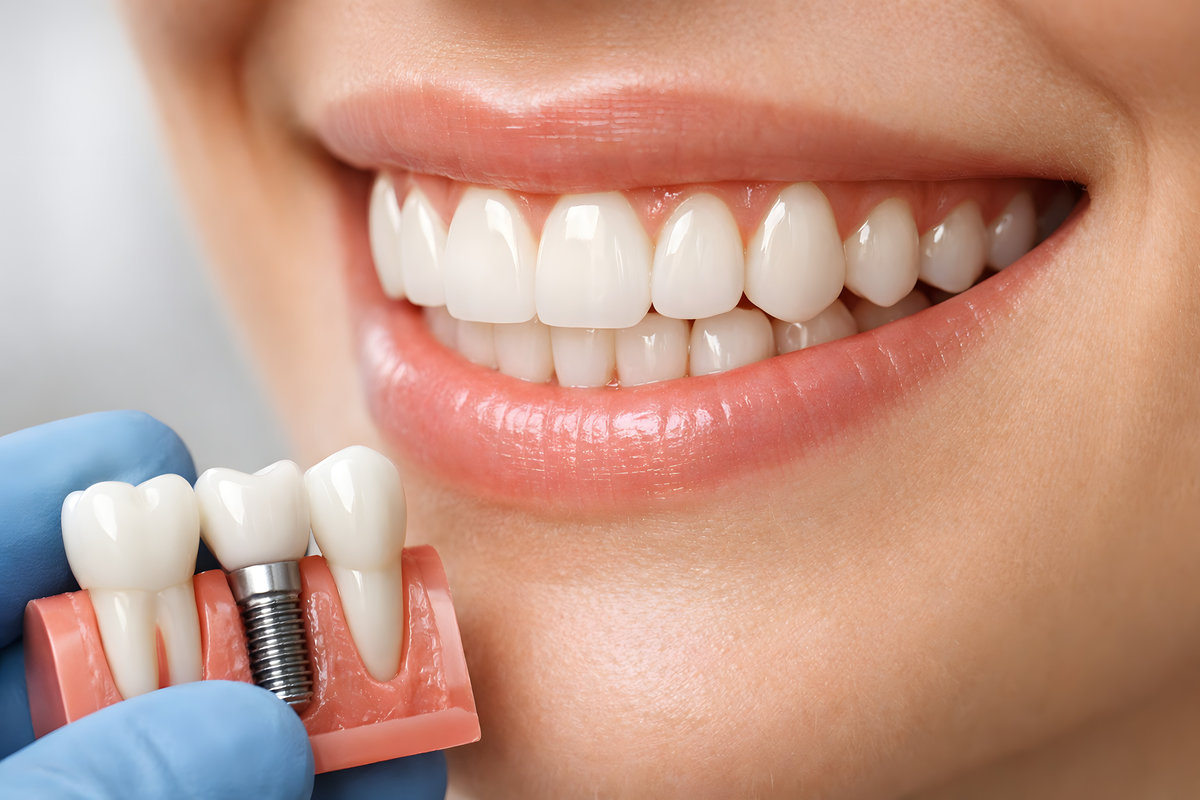
The reason dental implants protect bone lies in a biological process called osseointegration. A titanium implant post is placed directly into the jawbone, and over the course of several months, the surrounding bone tissue grows around and fuses with the implant. This fusion allows the implant to function similarly to a natural tooth root, transmitting the forces of biting and chewing into the jawbone and keeping it stimulated.
This is what distinguishes dental implants from dentures or dental bridges. Those solutions restore the visible portion of the smile but do nothing to address the bone beneath. Without a root-like structure in place, the jawbone continues to deteriorate regardless of the restoration on top.
Who May Need Bone Grafting Before Implants
Not every patient has sufficient bone density to support an implant at the time of consultation. If bone loss has already progressed, a bone grafting procedure may be necessary to rebuild the foundation before an implant can be placed. This is not a complication but rather an important preparatory step that ensures the implant has the support it needs to integrate fully and function for decades.
Full mouth reconstruction may incorporate bone grafting as part of a broader treatment plan, particularly for patients who have experienced significant bone loss across multiple areas of the jaw. Each case is evaluated individually, and the approach we take is always guided by what will produce the most stable, lasting outcome for your unique anatomy and health goals.
The Long-Term Benefits for Your Facial Structure
Beyond function, bone preservation has a direct impact on the appearance of your face. When the jawbone loses volume, the lower portion of the face can begin to look sunken or aged. This structural change is one of the reasons why patients who wear traditional dentures for many years often notice shifts in their facial appearance over time, even when the dentures still fit reasonably well.
Implants work against this process by maintaining bone volume where the natural tooth once stood. Patients who choose implant-supported solutions, including All-on-4 restorations for those replacing a full arch of teeth, often find that preserving the underlying bone also helps maintain the natural contours of their face. The investment in implants is not just about your smile today but about how you look and feel years from now.
Marlen Elite Dental Wellness: A Partner in Lasting Oral Health
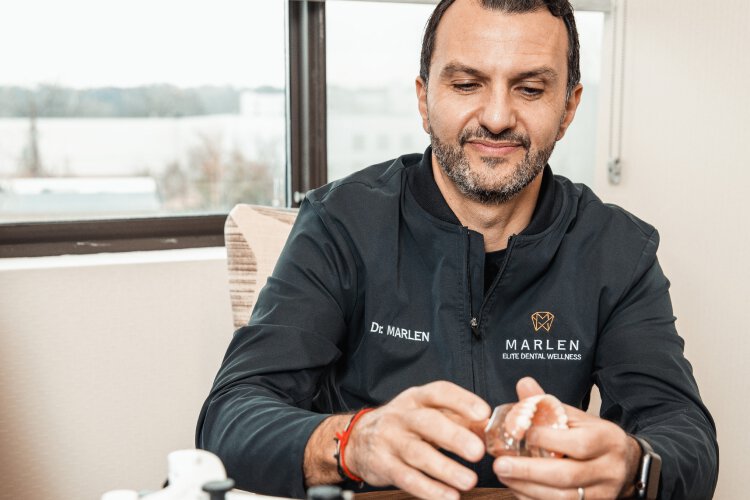
Dr. Marlen Martirossian brings extensive advanced training to every implant case, including a two-year implant course at New York University College of Dentistry and focused studies in physiological dentistry at the Las Vegas Institute for Advanced Dental Studies. His approach means that treatment is never one-size-fits-all. Every plan is built around the patient’s unique bone quality, anatomy, and long-term health goals. Year after year, the Consumers’ Research Council of America has recognized Dr. Martirossian as a top dentist for his clinical knowledge and commitment to his patients.
At Marlen Elite Dental Wellness, we believe a truly healthy smile is built on a strong foundation. If you have experienced tooth loss or are wondering how bone health may be affecting your options, we invite you to schedule your consultation with our team to explore the solutions that are right for you.